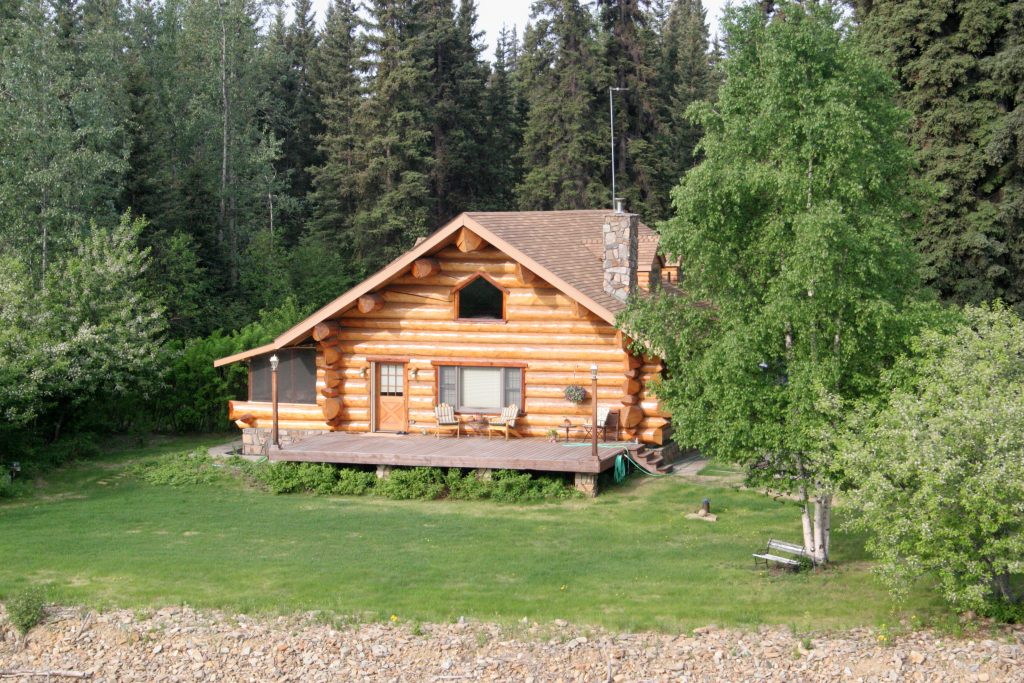
When helping clients with estate planning, I emphasize the importance of addressing all assets they own or have an interest in, including vacation homes. If your vacation home is located in another state, or even another country, failing to incorporate it into an estate plan can lead to ancillary probate, an added complication and expense best avoided.
What Happens to Your Estate After Death?
When you pass away, your estate consists of everything you own, including real estate, investments, bank accounts, and personal belongings. Before these assets can be distributed to heirs or beneficiaries, they must be identified, valued, and legally transferred. This process, known as probate, ensures that debts, taxes, and other financial obligations are settled before assets are distributed according to your Last Will and Testament.
If you have a valid Will, the Personal Representative you appointed will oversee the probate process, ensuring that your wishes are carried out. If you did not create a Will, the court will appoint someone to manage your estate, and state laws will determine how your assets are distributed. While probate is a standard legal process, it has drawbacks. It can be time-consuming, costly, and subject to delays, preventing beneficiaries from receiving their inheritance promptly. Probate is also a public process, which means your assets and all distributions of your estate are public record and available to anyone for viewing. For these reasons, many people incorporate probate-avoidance strategies into their estate plans.
How a Vacation Home Can Lead to Ancillary Probate
A well-structured estate plan should allow assets to pass efficiently to beneficiaries while minimizing the need for probate. In some cases, probate cannot be avoided entirely, but with careful planning, its impact can be minimized. If you own a vacation home, however, in another state or country that is not properly addressed in your estate plan, you may unintentionally trigger ancillary probate.
Ancillary probate is a secondary legal proceeding required when a decedent owns real estate outside their home state. For example, if you are a resident of Maryland and own a vacation home in Florida, your primary probate will take place in Maryland. However, Florida law may require a separate probate process for the vacation home.
This creates several complications. First, your Personal Representative must navigate two different sets of laws and legal procedures. Each state has its own probate rules, deadlines, and filing requirements, which can create administrative burdens. Second, before any assets can be distributed to beneficiaries, both probate proceedings must be completed. Because estate debts and taxes must be settled before property is transferred, the additional legal process can delay the final settlement of your estate. Finally, the cost of ancillary probate can be significant, further diminishing the value of the estate passed down to your loved ones.
How to Avoid Ancillary Probate
Fortunately, it is possible to avoid ancillary probate with proper planning. One of the most effective strategies is transferring out-of-state real estate into a revocable living trust. A revocable living trust allows you to retain control over the property during your lifetime while ensuring that ownership is transferred smoothly upon your death without the need for probate.
With this approach, you serve as the Trustee while you are alive and capable. You also designate a successor Trustee to take over when you pass away or become incapacitated. Because the trust, rather than you personally, holds title to the vacation home, it does not have to go through probate upon your passing. Instead, the successor Trustee can immediately manage or distribute the property according to the terms of your trust. Other, and arguably less effective, strategies to consider include:
- Joint Ownership with Rights of Survivorship: If you co-own the vacation home with another person, such as a spouse or child, with the right of survivorship, full ownership automatically transfers to the surviving owner upon your death. This avoids the need for probate but may have tax implications and some other risks including potential exposure to creditors, and should be carefully considered.
- Transfer on Death (TOD) Deed: Some states allow property owners to use a TOD deed, or life estate deed, which lets you designate a beneficiary who will inherit the property outside of probate. This method is simple and effective if available in the state where the vacation home is located.
- Selling or Gifting the Property: If you no longer need the vacation home, selling it or gifting it during your lifetime can eliminate the need for probate. Gifting property, however, may have significant tax consequences, so it is important to consult with an estate planning attorney.
Owning a vacation home can provide enjoyment for you and your family, but it can also add complexity to your estate. Fortunately, an experienced estate planning attorney can help you evaluate your options and implement strategies that align with your goals.
Do You Have Additional Questions about Ancillary Probate?
For more information, please contact our estate planning office in Owings Mills, Maryland by calling 410-654-3850 to schedule an appointment.

- Why Should I Incorporate a Living Will into My Maryland Estate Plan? - September 17, 2026
- What You Need to Know about a Maryland Will Contest - September 14, 2026
- What You Need to Know about the Medicaid Estate Recovery Program in Maryland - July 7, 2026